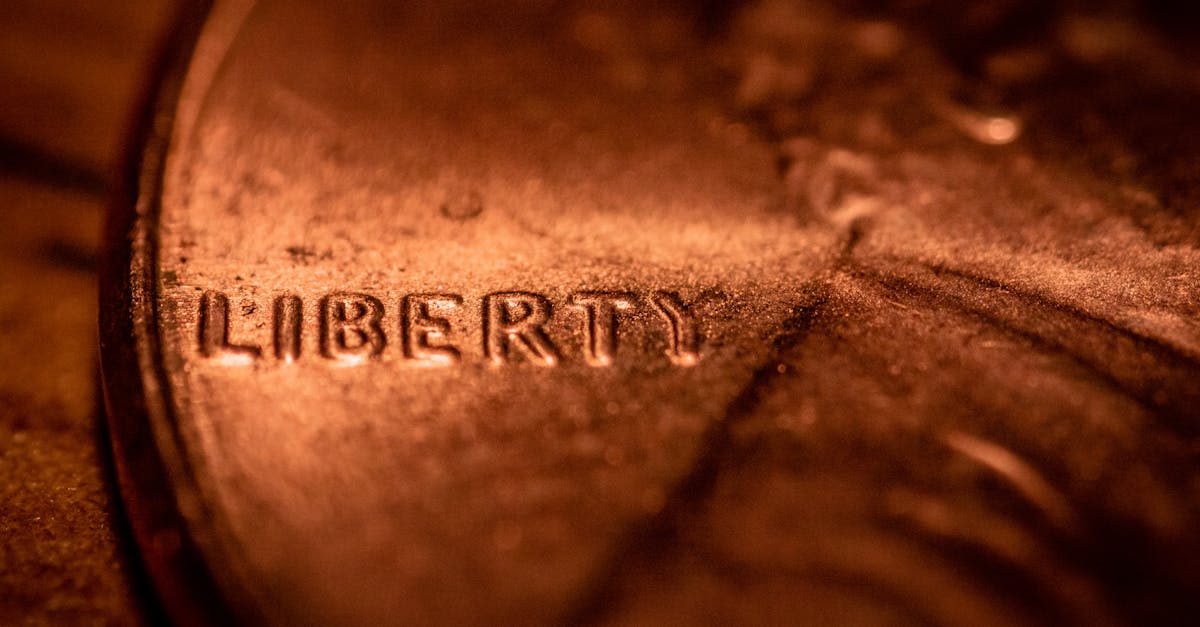
For more than two centuries the US has made the one-cent coin. In 2025 the Treasury ordered the US Mint to stop producing pennies for circulation, and the last circulating pennies were struck in Philadelphia in November 2025. The coins already out there remain legal tender, but as supplies dwindle some retailers have begun rounding cash transactions.
Key Takeaways
- Pennies are still legal tender and can be spent; the Mint has simply stopped making new ones for circulation.
- Card, mobile and check payments are unaffected; they are still charged to the exact cent.
- Some retailers round cash totals to the nearest five cents; there is no single national rounding law yet.
- Check your state’s rules and store policies, as some states require exact change or specific rounding methods.
Why the penny was ended
Making a penny cost the Mint more than its face value. The Mint’s annual reports in recent years put the unit cost of a penny at more than three cents. Many economists had long argued the coin cost more to make and handle than it was worth.
Rounding cash totals
Without enough pennies, stores need a way to make change. A common approach is symmetrical rounding of the final cash total to the nearest five cents:
- Totals ending in 1, 2, 6 or 7 cents round down
- Totals ending in 3, 4, 8 or 9 cents round up
This means rounding should roughly balance out over many transactions. Rounding applies to the total, not each item, and taxes are calculated before rounding.
What does not change
- Prices can still end in any cent.
- Electronic payments are charged exactly.
- Banks will still accept pennies for deposit, and coin-counting machines still take them.
Legal questions
Some states and cities have laws about cash acceptance and pricing. Bills have been introduced in Congress to set national rounding rules. Retailers are generally expected to post clear signs explaining their policy.
Other countries
Canada stopped distributing its penny in 2013 and rounds cash totals to the nearest five cents. Australia and New Zealand withdrew their one- and two-cent coins decades ago, also with rounding.
What to do with your pennies
- Spend them where accepted.
- Roll them and deposit at your bank.
- Use a coin-counting machine; some charge a fee unless you take a gift card.
- Keep rare dates; most circulated pennies are worth only face value, but some error coins and older coins are collectable.
Nickels
The nickel also costs more than five cents to make. Proposals to change its composition have been discussed, but nickels remain in production for now.
Frequently Asked Questions
Are pennies being recalled? No. They remain legal tender.
Will prices go up? Rounding applies only to cash totals and should roughly average out.
Can a store refuse pennies? Private businesses generally set their own payment policies, subject to state and local law.
The bottom line
The penny is no longer being made, but you can keep spending the ones you have. Card payments stay exact, and cash totals may be rounded to the nearest nickel.


